
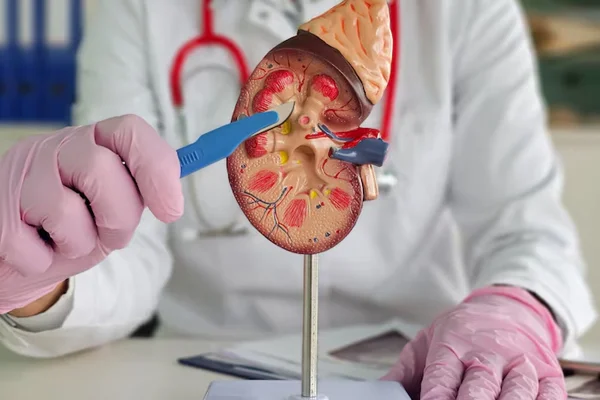
Kidney Transplant Consultation in Noida provides specialized evaluation and guidance for patients with advanced kidney disease who may require a kidney transplant. A kidney transplant can be considered for suitable patients with kidney failure when their kidneys can no longer adequately perform their essential functions. Proper evaluation before transplantation is important to understand the patient's health, kidney disease, transplant suitability, and possible treatment options.
At Dr. Tarun Kaushik’s nephrology care in Noida, patients can receive medical consultation and guidance related to kidney transplantation. The consultation focuses on understanding the patient's kidney condition, reviewing previous investigations and treatments, assessing overall health, and helping patients understand the transplant evaluation process.
A kidney transplant is a procedure in which a healthy kidney from a suitable donor is placed into a person whose kidneys are no longer functioning adequately. The transplanted kidney can perform many of the functions normally carried out by the kidneys, including filtering waste products and removing excess fluid from the body.
Kidney transplantation is not suitable for every patient with kidney disease. A detailed medical evaluation is required before determining whether transplantation should be considered.
A Kidney Transplant Consultation in Noida may be appropriate for patients with advanced or end-stage kidney disease. It may also be considered when kidney function has declined significantly despite medical management.
Patients receiving dialysis may discuss transplantation with a nephrologist to understand whether they could be evaluated for a transplant. In some circumstances, transplant evaluation may begin before dialysis becomes necessary.
A consultation can help patients understand their current kidney function and whether referral to a transplant centre for detailed assessment may be appropriate.
Kidney transplantation involves more than evaluating kidney function alone. The patient's overall health, other medical conditions, previous surgeries, infections, cardiovascular health, medications, and other factors may influence transplant planning.
A nephrology consultation can help organize the medical information required for further assessment and explain the different stages involved in transplant evaluation.
During a kidney transplant consultation, the doctor may review:
Based on the clinical assessment, additional investigations or referral to a transplant centre may be recommended.
Eligibility for transplantation is determined through a comprehensive assessment by the transplant team. Factors such as age, general health, cardiovascular status, infections, other medical conditions, and the cause of kidney failure may be considered.
A patient's suitability cannot be determined from kidney function alone. Each case requires individualized assessment.
Kidneys for transplantation may come from living donors or deceased donors, depending on the circumstances and applicable medical and legal requirements.
A living donor may be a suitable person who undergoes a separate medical evaluation to determine whether donation is medically appropriate. Donor health and safety are important considerations throughout the process.
A kidney may also become available from a deceased donor through an established organ donation and allocation system. Availability depends on the applicable allocation process and other factors.
The transplant team provides specific guidance regarding donor evaluation and transplantation pathways.
A transplant evaluation may involve multiple investigations. These can vary according to the patient's medical history and transplant centre protocols.
Blood investigations may be performed to assess general health, kidney-related parameters, blood group, and other factors relevant to transplant evaluation.
Specific tests may be performed to assess compatibility between the donor and recipient and evaluate immunological factors relevant to transplantation.
Patients may undergo cardiovascular evaluation when clinically indicated, particularly because cardiovascular health is an important consideration in people with advanced kidney disease.
Screening for certain infections may be included as part of the transplant assessment. Identifying and managing infections before transplantation can be important for patient safety.
Imaging studies and other tests may be recommended based on the patient's medical history and the requirements of the transplant centre.
Preparation can begin well before the transplant procedure. Patients may need to organize medical records, complete recommended investigations, manage existing health conditions, and maintain regular nephrology follow-up.
Managing conditions such as high blood pressure and diabetes can be particularly important. Medication review may also be required to ensure that treatments are appropriate for the patient's current kidney function and overall condition.
Patients should follow the instructions provided by their nephrologist and transplant team regarding investigations, medications, diet, dialysis, and other aspects of preparation.
For patients with advanced kidney failure, dialysis and transplantation are two different approaches to kidney replacement therapy. Some patients receive dialysis while waiting for transplantation, while in suitable circumstances transplant evaluation may occur before dialysis becomes necessary.
The appropriate approach depends on kidney function, overall health, transplant suitability, donor availability, and the recommendations of the treating medical team.
Kidney transplantation requires lifelong medical follow-up. After transplantation, patients generally need medicines that help prevent rejection of the transplanted kidney. Regular monitoring is important to assess kidney function and identify potential complications.
Post-transplant care is coordinated with the transplant team and may include blood tests, medication monitoring, infection surveillance, blood pressure management, and other assessments.
A kidney transplant does not eliminate the need for nephrology care. Regular follow-up helps monitor the function of the transplanted kidney and manage health conditions that may affect long-term outcomes.
Patients should take prescribed medicines consistently and attend scheduled appointments and investigations. Any unusual symptoms or significant changes in health should be discussed promptly with the treating medical team.
Dr. Tarun Kaushik provides nephrology consultation for patients with advanced kidney disease who are considering or being evaluated for kidney transplantation in Noida.
A transplant consultation can help patients understand their current kidney status, review relevant medical information, discuss the evaluation process, and determine whether further assessment at a transplant centre may be appropriate.
The consultation is tailored to the patient's medical condition and can help provide a structured understanding of the steps involved in transplant planning.
Patients with advanced chronic kidney disease or kidney failure may benefit from discussing transplantation with a nephrologist. Those already receiving dialysis can also discuss whether transplant evaluation is appropriate for their individual circumstances.
Early discussion may provide more time for medical assessment, optimization of existing health conditions, and completion of the investigations required by a transplant centre.
Kidney Transplant Consultation in Noida is an important step for patients with advanced kidney disease who may be considering kidney transplantation. A comprehensive consultation can help assess kidney function, review medical history, identify factors that may affect transplant evaluation, and explain the next stages of the process.
Under the nephrology care of Dr. Tarun Kaushik, patients can receive individualized consultation regarding kidney transplantation and guidance on further evaluation when appropriate. Transplant decisions are made through detailed assessment by the treating nephrologist and transplant team based on the patient's medical condition and suitability.
Patients with advanced chronic kidney disease or kidney failure may discuss kidney transplantation with a nephrologist. People receiving dialysis may also be evaluated for transplant suitability.
Yes. In suitable patients, transplant evaluation can begin before dialysis is required. The timing depends on kidney function, overall health, and the assessment of the treating medical team.
Evaluation may include blood tests, blood group and compatibility testing, immunological investigations, cardiovascular assessment, infection screening, imaging, and other tests based on individual circumstances.
Diabetes does not automatically exclude a person from transplantation. Suitability is determined through an individualized assessment of overall health, diabetes control, cardiovascular status, and other medical factors.
A living donor kidney comes from a medically suitable living person who undergoes donor evaluation. A deceased donor kidney comes from an eligible deceased donor through the applicable organ allocation system.
Yes. Kidney transplant recipients require long-term medical follow-up, including monitoring kidney function and taking prescribed medicines to help prevent rejection and manage other health concerns.


