
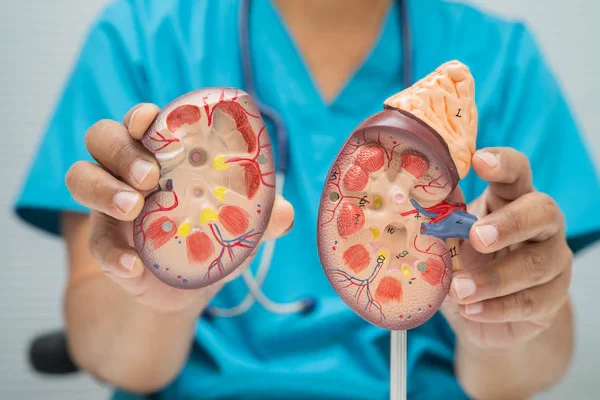
Chronic Kidney Diseases Treatment in Noida focuses on the diagnosis, management, and monitoring of long-term kidney conditions. Chronic kidney disease (CKD) occurs when the kidneys remain damaged or their function stays reduced over time. Because kidney disease can progress gradually and may not cause obvious symptoms during its early stages, timely evaluation and regular monitoring are important.
The kidneys perform several essential functions, including removing waste products from the blood, regulating fluids and electrolytes, supporting blood pressure control, and contributing to red blood cell production and bone health. When kidney function declines, these processes can be affected.
Dr. Tarun Kaushik provides nephrology evaluation and individualized care for patients with chronic kidney-related concerns in Noida. The treatment approach depends on the stage of kidney disease, underlying cause, associated health conditions, laboratory findings, and overall health of the patient.
Chronic kidney disease is a condition in which kidney damage or reduced kidney function persists over a prolonged period. CKD can develop due to several underlying health conditions, with diabetes and high blood pressure being important causes.
Kidney function is commonly assessed using blood tests such as serum creatinine and estimated glomerular filtration rate (eGFR), along with urine tests that may identify protein or albumin in the urine.
Early CKD may not produce noticeable symptoms. Regular testing can therefore be particularly important for people who have risk factors for kidney disease.
Understanding the underlying cause is an important part of Chronic Kidney Diseases Treatment in Noida. Common causes and contributing conditions include:
Persistently elevated blood glucose can damage the small blood vessels and filtering structures of the kidneys. Over time, this may contribute to diabetic kidney disease.
Uncontrolled hypertension can place stress on the blood vessels within the kidneys and contribute to progressive kidney damage. Kidney disease itself can also contribute to high blood pressure.
Conditions affecting the kidney's filtering units, known as glomeruli, can cause protein or blood to appear in the urine and may lead to reduced kidney function.
Certain recurrent kidney conditions, including repeated obstruction, infections, or stones, may contribute to kidney damage in some individuals.
Some inherited or structural kidney disorders can affect kidney function over time and may require long-term nephrology monitoring.
CKD can remain silent during its early stages. As kidney function becomes more significantly affected, symptoms may include:
These symptoms are not specific to kidney disease and can occur for other reasons. Appropriate medical testing is necessary for diagnosis.
A nephrologist may use several types of assessment to understand kidney health and determine the stage and possible cause of CKD.
Serum creatinine and eGFR are commonly used to assess how effectively the kidneys are filtering the blood. Additional blood tests may be performed to evaluate electrolytes, hemoglobin, calcium, phosphorus, and other parameters when required.
Urine tests can detect protein, albumin, blood, and other abnormalities. Persistent protein or albumin in urine can provide important information about kidney damage.
Blood pressure monitoring is an important part of kidney care because hypertension can both contribute to and result from kidney disease.
Ultrasound or other imaging studies may be recommended when structural abnormalities, obstruction, stones, or other kidney-related conditions need to be assessed.
There is no single treatment plan suitable for every patient with CKD. Chronic Kidney Diseases Treatment in Noida is generally based on the cause and stage of kidney disease and focuses on protecting remaining kidney function and managing associated complications.
Treating the condition responsible for kidney damage is an important part of long-term care. Depending on the patient, this may involve management of diabetes, hypertension, glomerular disease, or another underlying condition.
Maintaining appropriate blood pressure can be an important part of protecting kidney function. The choice of treatment depends on the patient's blood pressure, kidney function, urine protein levels, and other medical factors.
For patients with diabetes, appropriate blood glucose management can help reduce the risk of further kidney damage. Diabetes management should be individualized according to the patient's overall health and treatment plan.
Persistent proteinuria or albuminuria may indicate kidney damage. Depending on the underlying condition, specific medications and monitoring may be recommended to help reduce kidney-related risks.
Patients with CKD may need periodic medication review because reduced kidney function can affect how certain medicines are processed by the body. Some medications may also require dose adjustments according to kidney function.
Patients should not stop or change prescribed medicines without consulting their healthcare professional.
Dietary recommendations for CKD vary according to kidney function, blood pressure, diabetes status, electrolyte levels, medications, and other individual factors.
Depending on the patient's condition, a healthcare professional may provide guidance regarding sodium intake, protein consumption, fluid intake, potassium, phosphorus, and overall nutritional balance.
Regular physical activity, maintaining a healthy body weight, avoiding tobacco, and following the prescribed treatment plan can also support overall health.
Patients with established kidney disease should avoid making major dietary restrictions without professional guidance because nutritional requirements can change as kidney function changes.
Regular follow-up is an important component of long-term kidney care. Monitoring may include:
The frequency of testing depends on the stage and progression of kidney disease and the patient's individual medical needs.
As kidney function decreases, patients may develop complications involving several body systems. These can include anemia, electrolyte abnormalities, fluid retention, mineral and bone disorders, and difficulty controlling blood pressure.
Advanced kidney disease can eventually result in kidney failure, at which point renal replacement therapy may need to be considered.
Regular nephrology follow-up can help identify changes in kidney function and associated complications and determine when additional interventions may be appropriate.
When kidney function becomes severely reduced, the treatment approach may involve planning for kidney replacement therapy. Depending on the patient's clinical condition, options may include dialysis or kidney transplantation.
Not every patient with CKD progresses to kidney failure. Appropriate management of the underlying cause, risk factors, blood pressure, diabetes, and other complications can be important in slowing disease progression.
Chronic kidney disease requires ongoing assessment rather than a one-time treatment approach. Dr. Tarun Kaushik provides nephrology-focused evaluation and follow-up for patients with kidney-related conditions in Noida.
The assessment may consider kidney function tests, urine findings, blood pressure, diabetes status, medications, symptoms, medical history, and other relevant factors. Based on the findings, an individualized monitoring and management plan can be developed.
The objective of long-term nephrology care is to address treatable causes, manage complications, monitor kidney function, and support the patient's overall health.
A nephrology consultation may be appropriate if blood tests show reduced kidney function, urine tests repeatedly show protein or blood, blood pressure is difficult to control, or there is a history of kidney disease.
People with diabetes, hypertension, cardiovascular disease, a family history of kidney disease, or previous kidney problems may also require periodic assessment based on their individual risk factors.
Early evaluation can help identify kidney abnormalities and establish appropriate monitoring before significant kidney function loss occurs.
Chronic Kidney Diseases Treatment in Noida involves long-term management aimed at understanding the cause of kidney disease, protecting remaining kidney function, controlling associated health conditions, and monitoring potential complications. Treatment may include blood pressure and diabetes management, medication review, dietary guidance, regular blood and urine testing, and management of complications.
With personalized nephrology care from Dr. Tarun Kaushik, patients can receive evaluation and ongoing monitoring based on their kidney function, underlying condition, and individual healthcare needs. Regular follow-up can help track changes in kidney health and guide treatment as the condition evolves.
Chronic kidney disease is a long-term condition in which the kidneys remain damaged or have reduced function over time. It may progress gradually and may not cause noticeable symptoms in its early stages.
Diabetes and high blood pressure are major causes. Other causes include glomerular diseases, inherited kidney disorders, recurrent kidney problems, structural abnormalities, and certain other medical conditions.
The possibility of reversing kidney damage depends on its cause and stage. Many chronic kidney conditions cannot be completely reversed, but appropriate treatment may help manage the condition and slow further progression.
Monitoring commonly includes serum creatinine, eGFR, urine protein or albumin testing, blood pressure assessment, electrolytes, hemoglobin, and other tests depending on the patient's condition.
Healthy lifestyle habits can support overall health and may complement medical treatment. Dietary and fluid recommendations should be individualized according to kidney function and other medical conditions.
You should consider nephrology evaluation if you have reduced kidney function, persistent protein or blood in urine, difficult-to-control blood pressure, or risk factors such as diabetes or a history of kidney disease.


